
Beginner's guide to understanding the odds in gambling
What Are Gambling Odds?
Gambling odds represent the likelihood of a specific outcome occurring in a game or event. They are crucial for bettors, as they dictate how much can be won based on the wager placed. Odds can be presented in various formats, including fractional, decimal, and moneyline. Understanding these formats is essential for making informed betting decisions. For instance, fractional odds like 5/1 mean that for every unit wagered, five units can be won if the bet is successful. You can start your journey by visiting https://1xbetapk.so/registration/.

In addition to helping bettors evaluate potential profits, odds also reflect the bookmaker’s perspective on an event’s likelihood. Bookmakers calculate odds based on a combination of statistical analysis, historical data, and public sentiment. This means that the odds may shift leading up to an event, depending on various factors such as injuries, public betting patterns, or changes in team dynamics. By keeping an eye on the odds, bettors can identify favorable betting opportunities.
Moreover, understanding odds is not just about knowing how to read them; it also involves grasping their implications. Higher odds indicate a less likely outcome, while lower odds suggest a more probable one. For beginners, recognizing the relationship between probability and odds can be a game-changer. This understanding can lead to more strategic betting and potentially higher returns.
Types of Odds: Understanding Formats
Odds can be expressed in several formats, and each has its own merits. Fractional odds are primarily used in the UK and are straightforward to interpret. For example, fractional odds of 5/1 indicate that you would win five units for every one unit wagered. This format helps bettors quickly understand potential payouts and is especially common in horse racing.
Decimal odds, on the other hand, are widely used in Europe and Australia. They provide a more straightforward way to calculate potential returns. For instance, decimal odds of 6.00 mean that for every dollar wagered, a bettor would receive six dollars in return if successful, including the initial stake. This format is often preferred for its simplicity, allowing beginners to easily see how much they could win.
Moneyline odds are popular in the United States and can be a bit more complex. Positive moneyline odds, such as +500, indicate how much profit a bettor would make on a $100 wager. Conversely, negative moneyline odds, like -200, show how much needs to be bet to win $100. While this format may seem daunting at first, understanding it can enhance a bettor’s ability to analyze potential outcomes across various betting scenarios.
Calculating Odds and Probabilities
Calculating odds involves determining the probability of an outcome occurring, which is essential for informed betting. The probability is often expressed as a percentage, representing the chance of a specific event happening. For example, if a team has a 25% chance of winning, that translates to odds of 3/1 in fractional format, indicating that a successful bet would yield three units for every one unit staked.
Knowing how to convert odds into probabilities is a valuable skill for any gambler. To convert fractional odds to probability, one can use the formula: Probability = Denominator / (Denominator + Numerator). This allows bettors to gauge whether a bet is worth the risk based on their assessment of the situation. Understanding the interplay between odds and probability can significantly enhance a bettor’s strategy and outcome forecasting.
In addition, many online calculators are available to help bettors easily convert odds into probabilities and vice versa. Utilizing these tools can streamline the betting process and ensure that you are making the most informed decisions possible. This is especially beneficial for beginners who may find the mathematics intimidating.
The Role of Bankroll Management in Gambling
Bankroll management is a critical aspect of successful gambling that beginners must grasp early on. Essentially, it refers to the strategy of managing your betting capital wisely to ensure longevity in the gambling arena. A common rule of thumb is to only wager a small percentage of your total bankroll on any single bet. This method helps mitigate risks and extend the lifespan of your betting activity.
Moreover, setting clear budgets and limits can prevent emotional betting, which often leads to poor decisions. Beginners should establish both daily and monthly limits for their gambling activities. This financial discipline helps maintain a healthy relationship with gambling, ensuring that it remains a form of entertainment rather than a financial burden.
Utilizing bankroll management strategies allows bettors to minimize losses and capitalize on winning streaks. Understanding when to increase or decrease your wager based on your current bankroll can lead to smarter betting decisions. This prudent approach not only enhances the overall gambling experience but also builds confidence in one’s betting strategies over time.
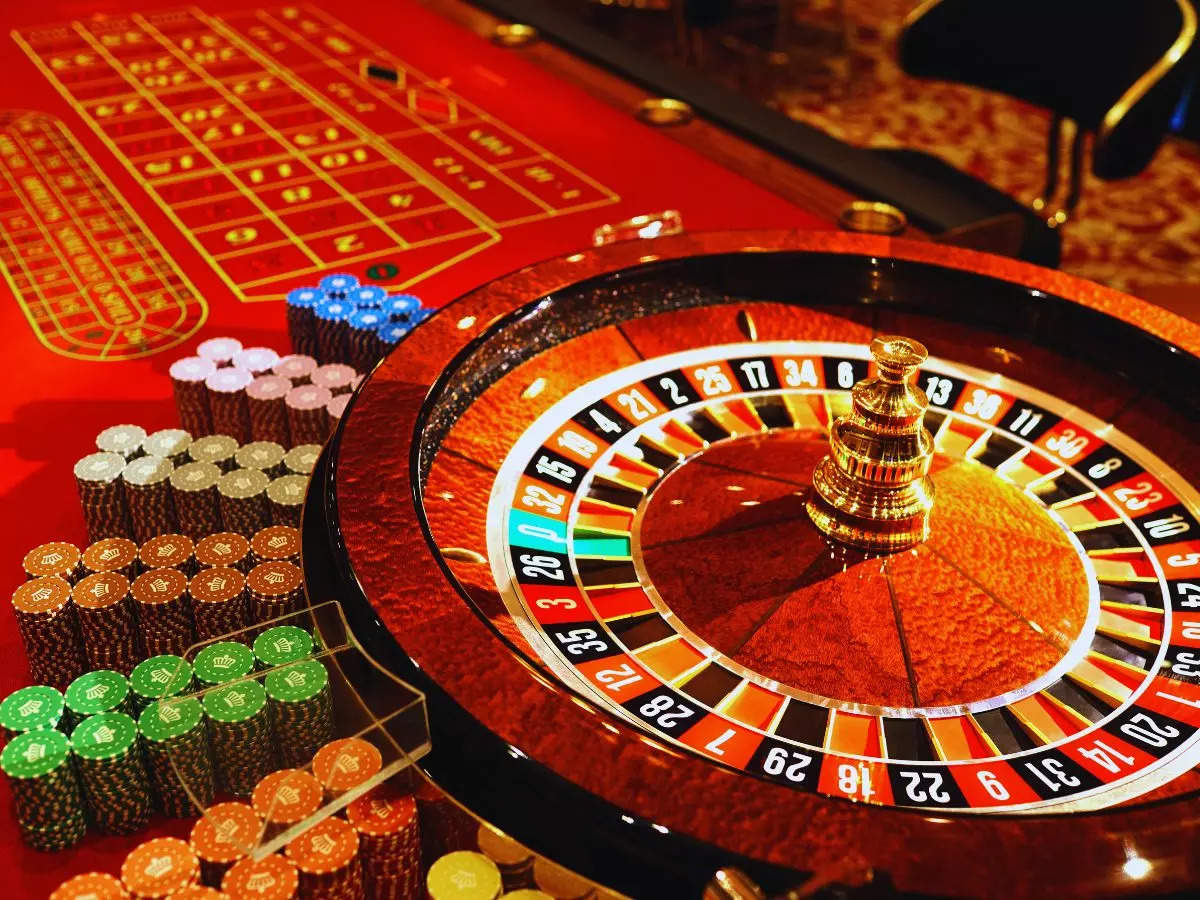
Your Path to Responsible Gambling
As you embark on your gambling journey, it’s vital to embrace responsible gambling practices. This involves understanding not only the odds and strategies but also recognizing the psychological aspects of betting. The thrill of potential winnings can often cloud judgment, leading to impulsive decisions. Establishing personal limits and sticking to them is crucial for maintaining a healthy gambling experience.
Many platforms now offer tools for responsible gaming, such as deposit limits and self-exclusion options. These features allow you to take control of your gambling habits, ensuring that it remains enjoyable and does not negatively impact other areas of your life. If you feel your gambling is becoming problematic, don’t hesitate to seek help or use these tools.
In conclusion, responsible gambling is about balancing enjoyment with caution. By educating yourself about the odds and implementing sound practices, you can significantly enhance your gaming experience. Remember, gambling should primarily be a form of entertainment, and understanding its dynamics will help you enjoy it responsibly.